August 19th-24th, 2024
Cairns Convention Centre, Cairns, Queensland, Australia
Organised by the CSSM, University of Adelaide

About the Quark Confinement and Hadron Spectrum conference series
Inaugurated in 1994 in Como, Italy, this series of conferences has become an important forum for scientists working on strong interactions, stimulating exchanges among theorists and experimentalists as well as across related fields.
The aim of the conference is to bring together people working on strong interactions from different approaches, ranging from lattice QCD to perturbative QCD, from models of the QCD vacuum to QCD phenomenology and experiments, from effective theories to physics beyond the Standard Model.
The scope of the conference also includes the interface between QCD, nuclear physics and astrophysics, and the wider landscape of strongly coupled physics. In particular, the conference will focus on the fruitful interactions and mutual benefits between QCD and the physics of condensed matter and strongly correlated systems.
The sixteenth edition of this conference series will be hosted by the University of Adelaide, Australia. The event will take place at the Cairns Convention Centre, Cairns, Queesland, Australia between August 19th – 24th, 2024.
Past editions
15th Quark Confinement and the Hadron Spectrum
1 August – 6 August, 2022, Stavanger, Norway
A virtual Tribute to 14th Quark Confinement and the Hadron Spectrum
2 August – 6 August 2021, virtual (Stavanger)
13th Quark Confinement and the Hadron Spectrum
31 July – 6 August 2018, Maynooth, Ireland
12th Quark Confinement and the Hadron Spectrum
28 August – 4 September 2016, Thessaloniki, Greece
11th Quark Confinement and the Hadron Spectrum
8 – 12 September 2014, Saint Petersburg, Russia
10th Quark Confinement and the Hadron Spectrum
8-12 October 2012, Munich, Germany
9th Quark Confinement and the Hadron Spectrum
30 August-3 September 2010, Madrid, Spain
8th Quark Confinement and the Hadron Spectrum
1 – 6 September 2008, Mainz, Germany
7th Quark Confinement and the Hadron Spectrum
2 – 7 September 2006, Acores, Portugal
6th Quark Confinement
2004, Sardinia, Italy
5th Quark Confinement
2002, Gargano, Italy
4th Quark Confinement
2000, Wien, Austria
3rd Quark Confinement
1998, TJNAF, Newport News, USA
2nd Quark Confinement
1996, Como, Italy
1st Quark Confinement
1994, Como, Italy
Organisers
Local Organising committee
Ayse Kizilersu (U. Adelaide, Chair)
Nora Brambilla (TU-Munich, Co-chair)
Anthony W. Thomas (U. Adelaide)
Derek B. Leinweber (U. Adelaide)
Wally Melnitchouk (JLAB, USA, U. Adelaide)
Ross Young (U. Adelaide)
James Zanotti (U. Adelaide)
Martin White (U. Adelaide)
Anthony G. Williams (U. Adelaide)
Asia-Pacific Regional Organising Committee
Nicole Bell (U. Melbourne)
Cedric Simenel (Australian National University)
Victor Flambaum (UNSW
Zhanwei Liu (Lanzhou University)
Craig Roberts (Nanjing University)
Xiaoyan Shen (IHEP)
Ping Wang (IHEP)
Jiajun Wu (UCAS)
Chang-Zhang Yuan (IHEP)
Shi-Lin Zhu (Peking University)
Tetsuo Hatsuda (RIKEN iTHEM)
Makoto Oka (RIKEN)
Hideo Suganuma (Kyoto University)
Masakiyo Kitazawa (Kyoto University)
Pyungwon Ko (Korean Inst. Adv. Study)
Su Houng Lee (Yonsei University)
Anthony Francis (Nat. Yang Ming Chiao Tung University)
David Lin (Nat. Chiao Tung University)
Jiunn-Wei Chen (Nat. Taiwan University)
International Advisory Committee
A. Andrianov (St. Petersburg SU, Russia)
M. Baker (U. of Washington, USA)
G. Bodwin (Argonne NL, USA)
A. Buras (TU München, Germany)
G. Colangelo (Bern, Switzerland)
M. Creutz (Brookhaven NL, USA)
G. Ecker (U. of Vienna, Austria)
E. Eichten (Fermilab, USA)
M. Faber (TU Vienna, Austria)
P. Foka (GSI, Germany)
N. Kaiser (TU München, Germany)
G. Krein (UNESP, Brazil)
W. Lucha (HEPHY, Austria)
T. Mannel (Siegen, Germany and Oxford, UK)
A. Manohar (U. of California, USA)
G. Martinelli (U. Rome La Sapienza, Italy)
K. Maung (U. of Southern Mississippi, USA)
M. Neubert (JGU Mainz, Germany)
S. Paul (TU München, Germany)
J. Pelaez (UC Madrid, Spain)
K. Peters (GSI, Germany)
A. Pich (Valencia, Spain)
G. Prosperi (U. of Milan, Italy)
H. Reinhardt (Tübingen, Germany)
J. E. Ribeiro (IST Lisboa, Portugal)
A. Rothkopf (Stavanger, Norway)
H. Sazdijan (IPN Orsay, France)
J.I. Skullerud (Maynooth, Ireland)
M. Shifman (U. of Minnesota, USA)
J. Soto (U. of Barcelona, Spain)
H. Suganuma (Kyoto U., Japan)
H. Toki (Osaka U., Japan)
A. Vairo (TU München, Germany)
Scientific Program
Sessions
A: Vacuum structure and confinement
Mechanisms of quark confinement (vortices, monopoles, calorons…) and the structure of the vacuum in non-Abelian gauge theories. Chiral symmetry breaking, and the Dirac spectrum in the low-momentum region. Studies of ghost and gluon propagators. Confining strings and flux tubes, their effective actions. Renormalons and power corrections. Interface between perturbative and non-perturbative physics.
Conveners: Name A, Name B, Local Conveners: D. Leinweber
B: Light Quarks
Chiral and soft collinear effective theories; sum rules; lattice calculations; Schwinger-Dyson equations; masses of light quarks; light-quark loops; phenomenology of light-hadron form factors, spectra and decays; structure functions and generalised parton distributions; exotics and glueballs; experiments.
Conveners: Name A, Name B, Local Conveners: J. Zanotti, A. Kizilersu
C: Heavy Quarks
Heavy-light mesons, heavy quarkonia, heavy baryons, heavy exotics and related topics: phenomenology of spectra, decays, and production; effective theories for heavy quarks (HQET, NRQCD, pNRQCD, vNRQCD, SCET); sum rules for heavy hadrons; lattice calculations of heavy hadrons; heavy-quark mass determinations; experiments.
Conveners: Name A, Name B, Local Conveners:
D: Deconfinement
QCD at finite temperature; quark-gluon plasma detection and characteristics; jet quenching; transport coefficients; lattice QCD and phases of quark matter; QCD vacuum and strong fields; heavy-ion experiments; experiments.
Conveners: Name A, Name B, Local Conveners:
E: QCD and New Physics
Physics beyond the Standard Model from hadronic physics, including precision experimental data and precision calculations.
Conveners: Name A, Name B, Local Conveners:
F: Nuclear and Astro-particle Physics
Nuclear matter; nuclear forces; quark matter; neutron and compact stars.
Conveners: Name A, Name B, Local Conveners: A.W. Thomas
G: Strongly-Coupled Theories
Hints on the confinement/deconfinement mechanisms from supersymmetric and string theories; strongly-coupled theories beyond the Standard Model; applications of nonperturbative methods of QCD to other fields.
Conveners: Name A, Name B, Local Conveners: A.G. Williams
H: Statistical Methods for Physics Analysis in the XXI Century
Machine learning techniques; data fitting and extraction of signals; new developments in unfolding methods; averaging and combination of results.
Conveners: Name A, Name B, Local Conveners: M. White
Plenary Speakers
To be advised.
Poster Session
Poster Contributions
The poster session is an integral part of each Quark Confinement and the Hadron Spectrum conference, providing a forum for intense discussions and exchange. We encourage participants to consider posters as a means of contributing to the conference and will recognise them on an equal footing with contributed talks in the proceedings.
Support
Jointly hosted by the University of Adelaide, and the Centre for the Subatomic Structure of Matter (CSSM).
We acknowledge generous support from the following organisations:




Information
Important Dates and Information (Indico)
Timetable (TBA)
Travel to Cairns, Australia
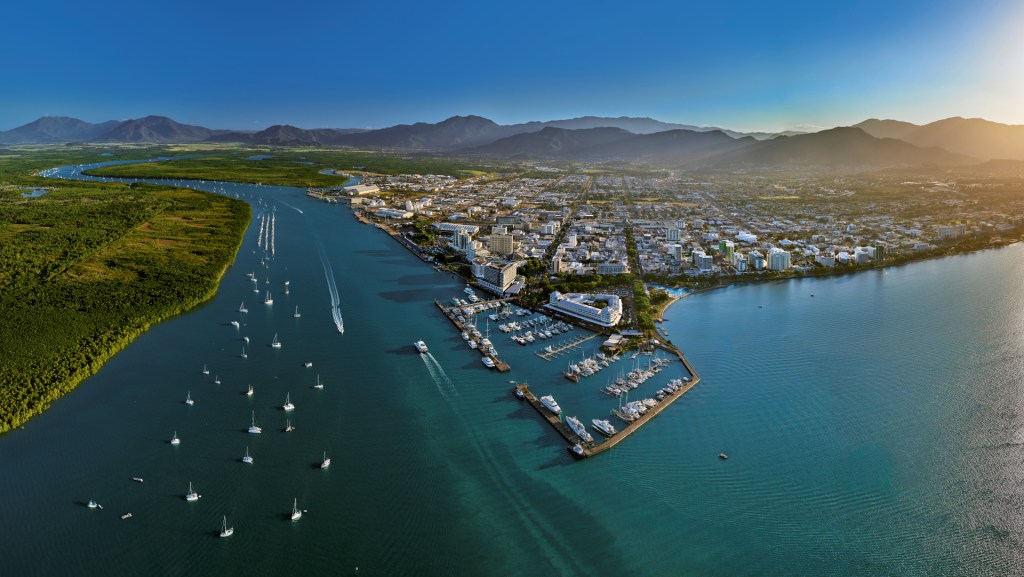
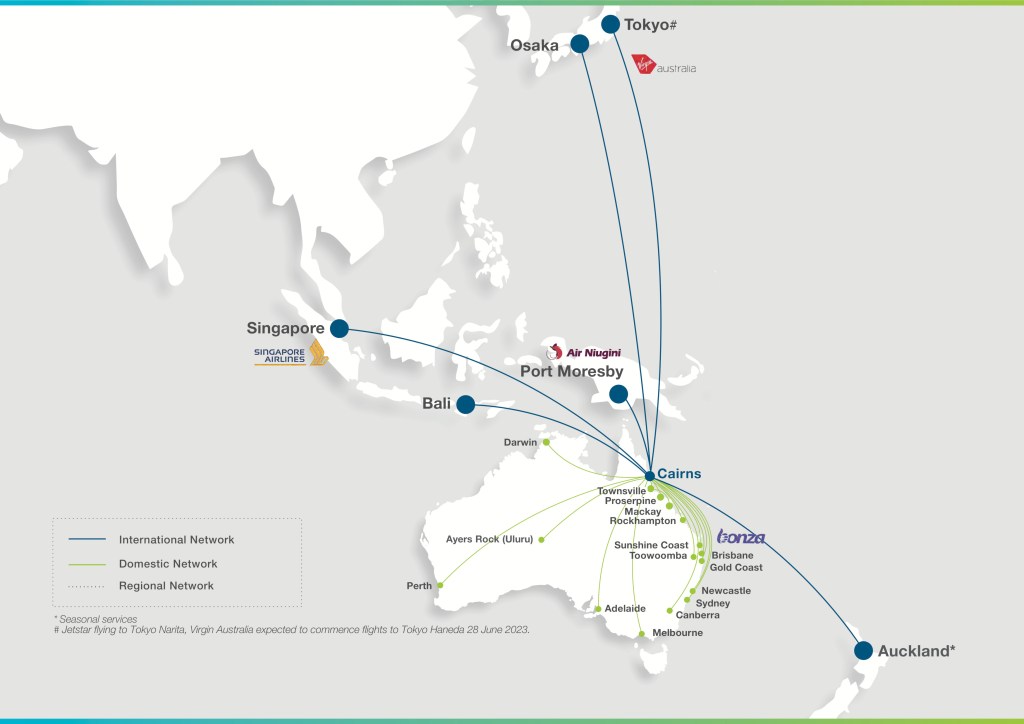
Cairns Airport is one of Australia’s leading airports, providing air links to a range of domestic and international locations and is just 7 kilometres from the centre of Cairns.
Cairns Airport has direct flights from Tokyo, Osaka, Singapore, Guangzhou, Shenzhen, Bali, Auckland and Port Moresby. There are also seasonal flights from Shanghai and Seoul.
The Australian national airline is Qantas, and it flies to Europe, North and South America, and Asia.
Some of the major carriers fly more directly from Europe and Asia to Australia:
The following domestic airlines also have a number of international destinations:
Qantas, Virgin Australia, Jetstar.
There are direct domestic flights to Brisbane, Gold Coast, Sydney, Melbourne, Adelaide, Perth, Darwin, Townsville and Toowoomba as well as to Alice Springs, Ayers Rock (Uluru) and regional centres across North Queensland.
Conference Venue
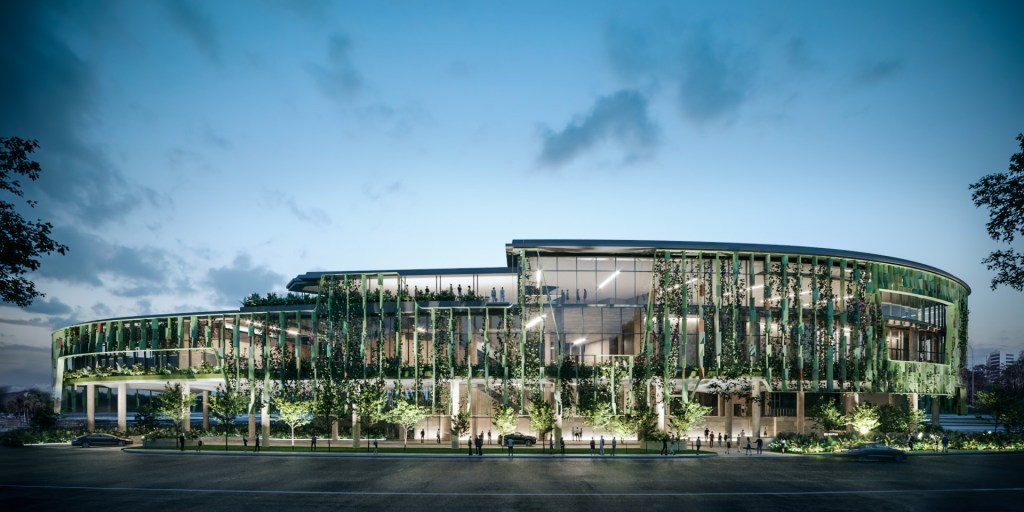
The Cairns Convention Centre is a world-class venue that is ideal for business events.
Its street address is: Sheridan Street and Wharf Street, Cairns, Queensland, 4870.
Accommodation
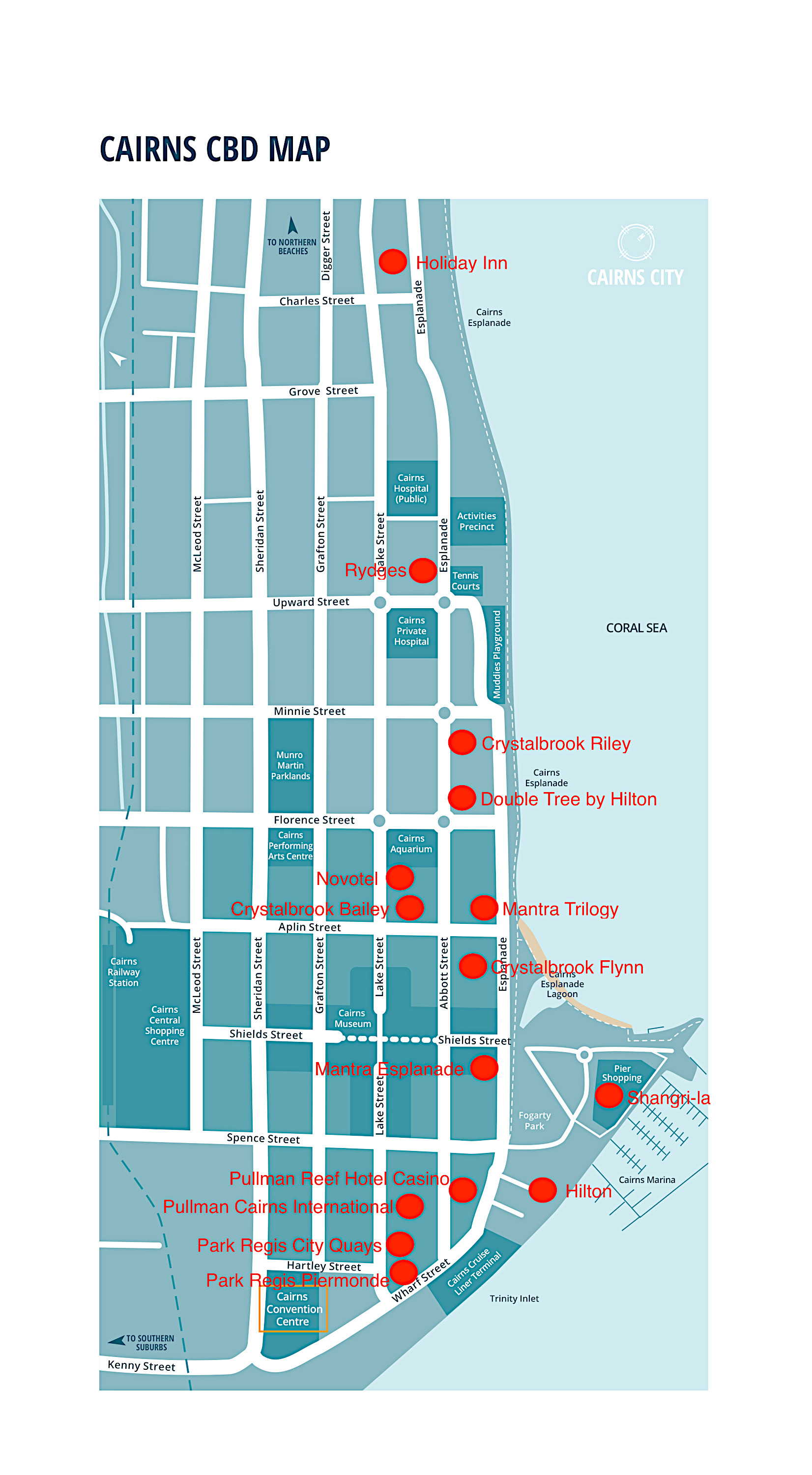
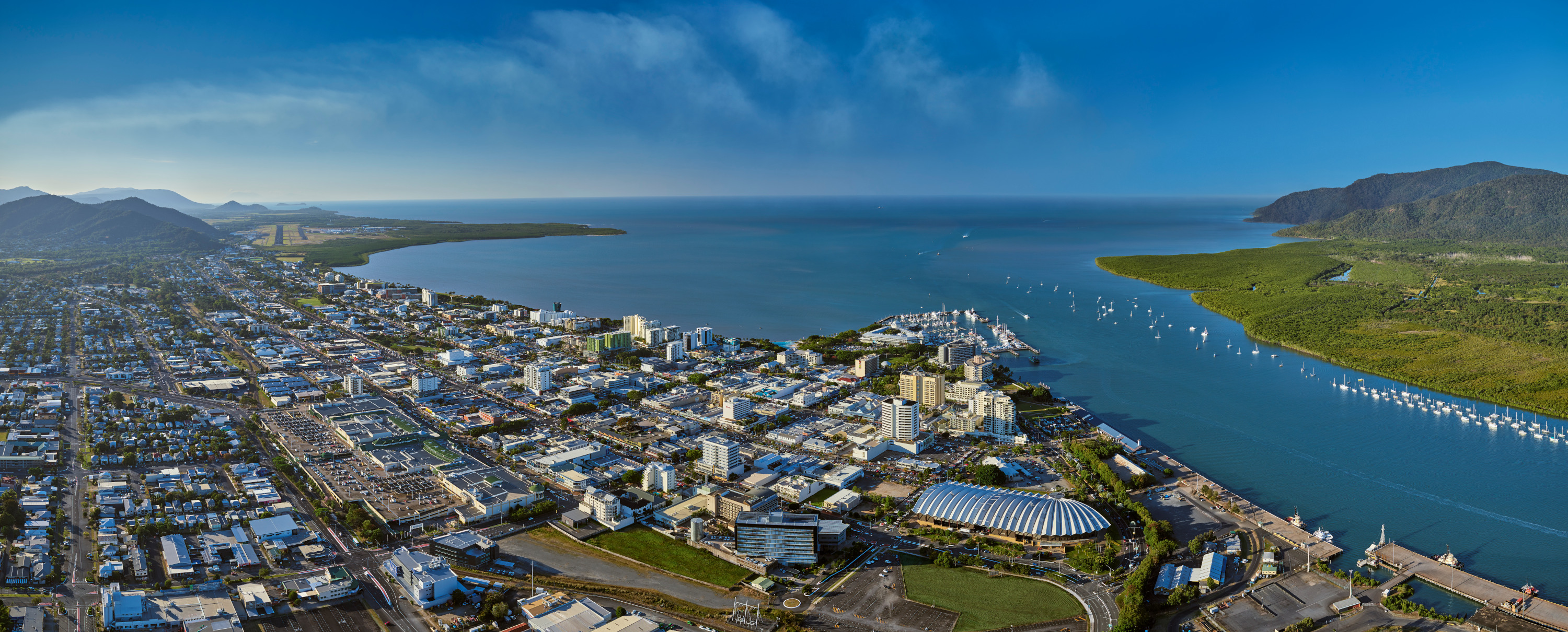
Conference participants are requested to book their accommodation individually. A variety of hotel options is available in the Cairns city centre (via Google Maps), within pleasant walking distance of the conference venue.
There is an extensive choice of world-class accommodation in the heart of the City within minutes walking distance of the Cairns Convention Centre. You can choose from over 8000 hotel rooms – from luxury, deluxe, budget and apartment accommodation – to suit every budget and expectation.
Special accommodation deals for QCHSC2024 are listed below. (Park Regis, Hilton, Accor).
Park Regis, City Quays, Cairns
~ 300m from the venue entrance
| Room type | Room rate |
|---|---|
| Hotel | AU$259 |
| One-bedroom | AU$319 |
| Two-bedroom | AU$529 |
Room rate available from Saturday 17th – Sunday 25th August.
Delegates will need to email the hotel and quote the conference name to receive the special rate, as per details below:
Contact: Email groupscityquays@parkregishotels.com
Quote: QCHSC2024
Hilton Hotels
The two links below (Hilton Cairns and Doubletree by Hilton) will take you directly to booking pages that are pre-populated with basic details for the special rates.
Hilton Cairns : Guest Room $293/day | Deluxe Room $333/day | Corner Room $313/day
Doubletree by Hilton Cairns : Guest Room $293/day | Water View Room $275/day
Discount rates are available for a choice of two two-week periods: August 13th – August 27th, or August 14th – August 28th, allowing participants also to enjoy the area before and after the Conference, if desired.
All rooms will have either king or twin beds, and are subject to availability.
- Click on one of the links below (for your preferred hotel).
- Once the page has loaded, on the calendar, click either “13th-27th” or “14th-27th” according to which better suits your plans (the full two-week period is the default, but can be changed in the next step).
- You can then change your start and end dates by clicking first on the start date of your desired stay, and then on the end date. This should then show as a series of selected dates, from your amended start date to your amended end date. Then click “x” to close that sub-window.
- You should now see your amended dates on the main booking page. Then click the “Update” button to put those changes into place, and proceed with the rest of the room details.
The above link will take you to a list of Accor hotels in Cairns.
The reduced rate is available also for two days pre- and post-conference, and offers a 15% discount over the standard room rates.
Below are listed other accommodation options (in order of increasing distance from the Convention Centre in each category).
Five-star
Pullman Reef Hotel Casino 500m
Shangri-La Hotel, The Marina, Cairns 1.0km
Flynn, a Crystalbrook Collection Resort 1.3km
Four-star
The Benson Hotel 600m
Pacific Hotel Cairns 900m
Rydges Esplanade Resort Cairns 2.1km
Apartments
(*) Park Regis City Quays and Piermonde Apartments 450m
Mantra Trilogy and Mantra Esplanade
Excursions
A trip to Cairns provides an unmissable opportunity to see more of the region’s unique environments and cultural history.
From day trips to longer journeys, inland or on the water, a wealth of choices awaits your consideration.
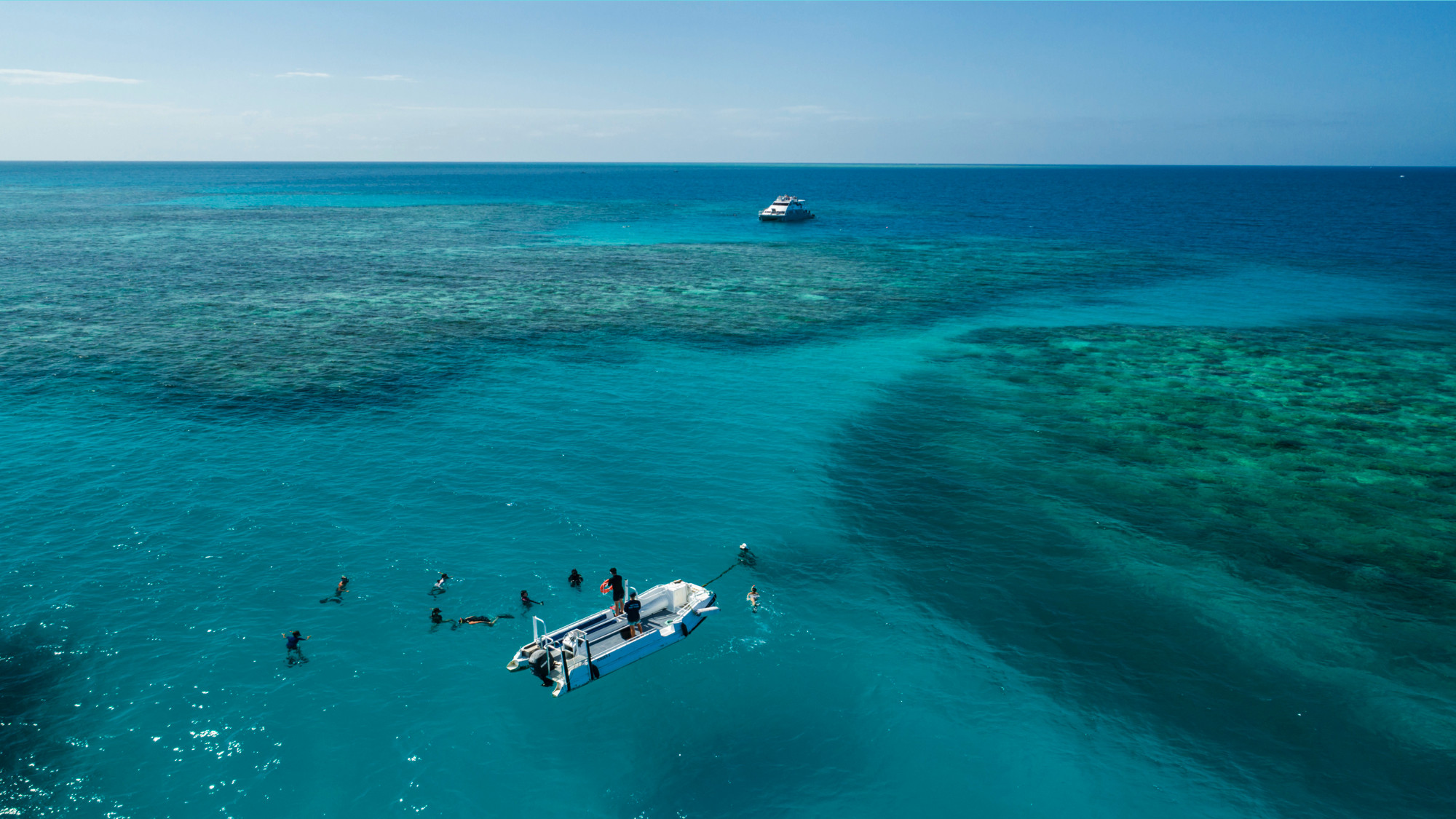
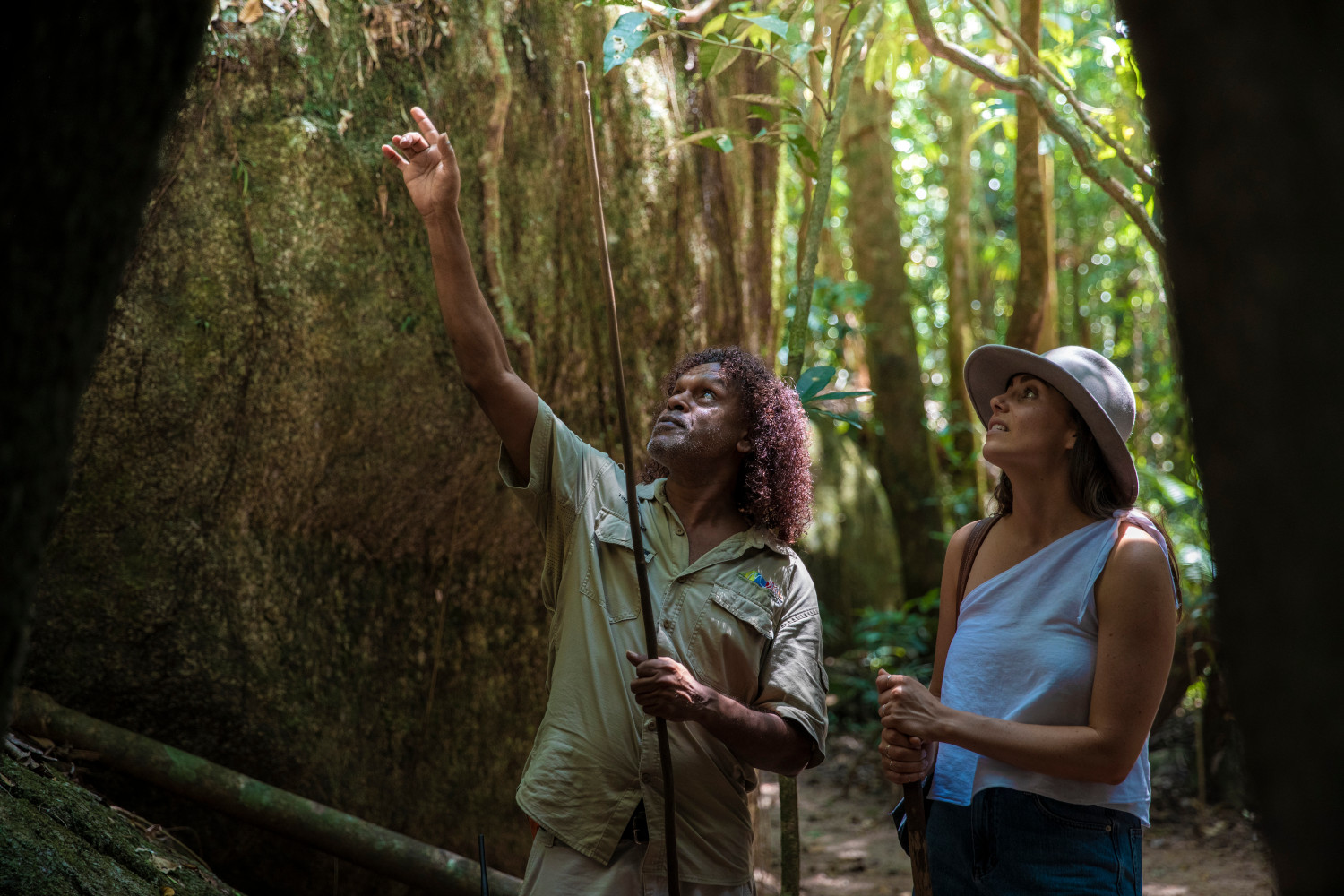
Please note that three excursions are offered as part of your Conference Registration : Rainforest, Great Barrier Reef, and Karunda/Tablelands.
Of course, you also have the opportunity to enjoy other expertly-guided tours, or to plan your own adventures – see the information below for ideas!
PLAN YOUR TRIP – SHORT ITINERARIES
Choose your number of days away, with these curated excursions
Heading out on your own?
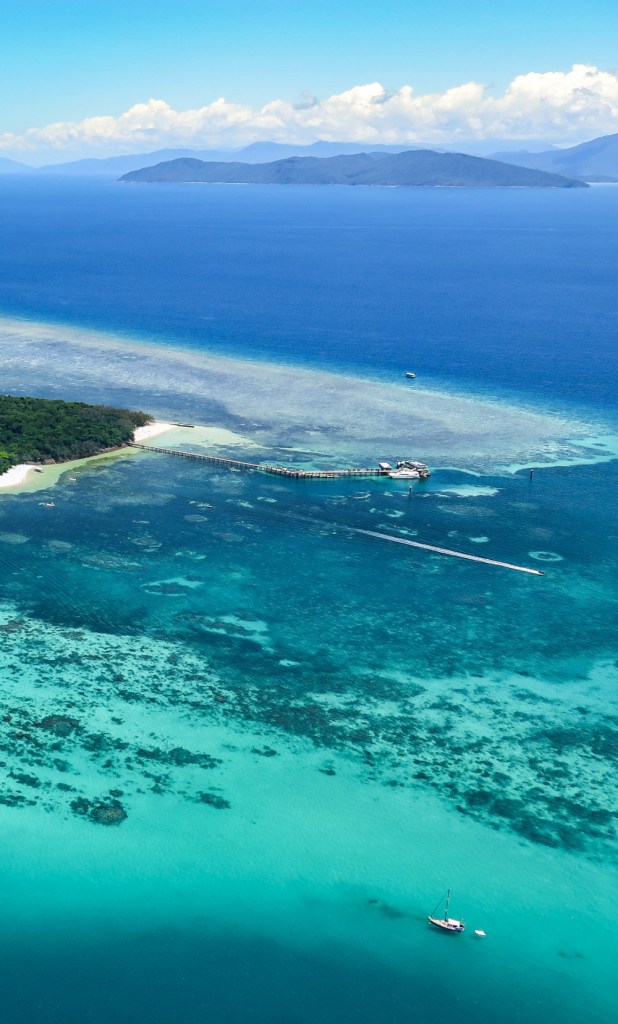
Over 600 tours depart daily for visits to the Great Barrier Reef, tropical rainforests, palm-fringed tropical islands, and the alluring outback, all offering outstanding opportunities for lasting memories.
Indigenous culture
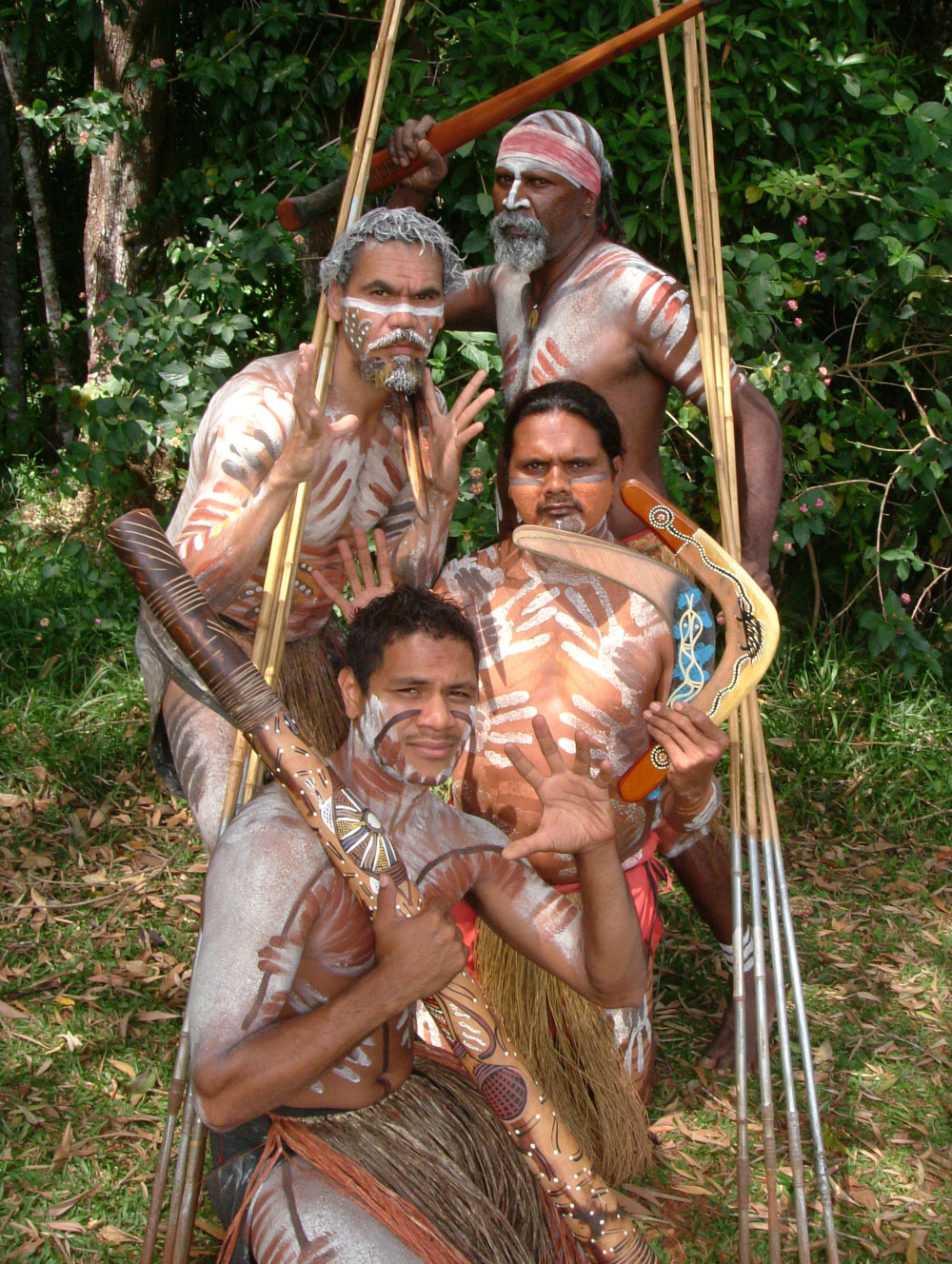
Venture into the rainforest and enter a world steeped in ancient Aboriginal and Torres Strait Islander culture. Learn the secrets of bush medicine, or try your hand at boomerang throwing.
Wildlife
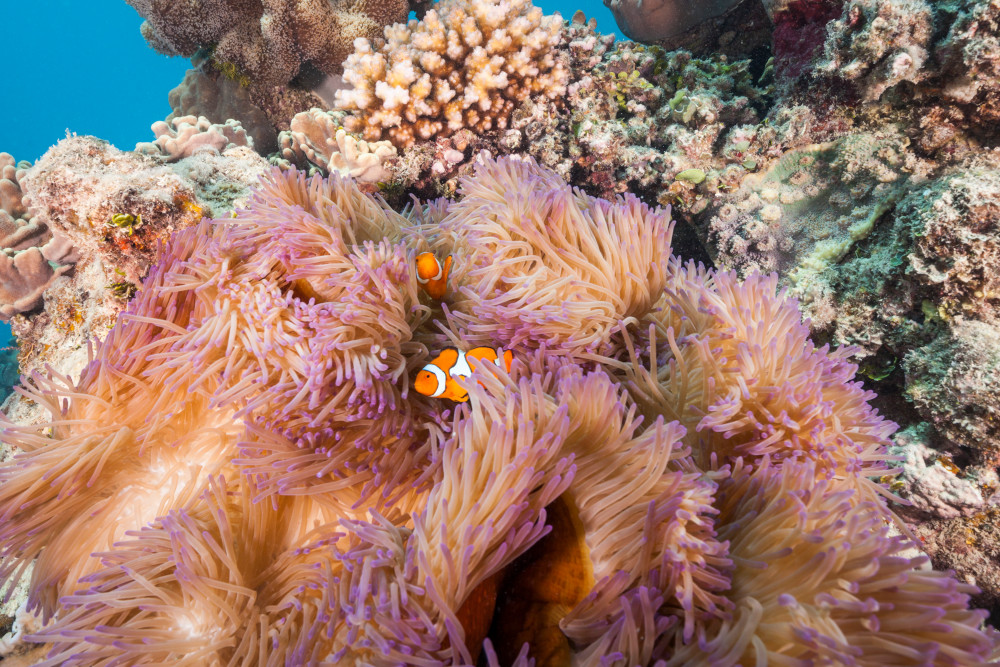
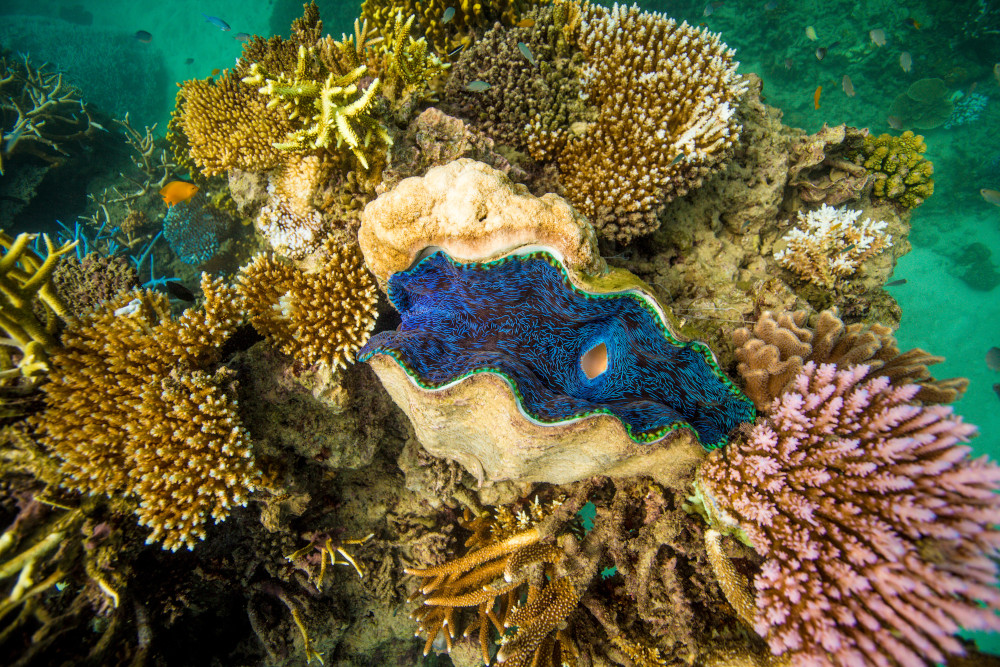
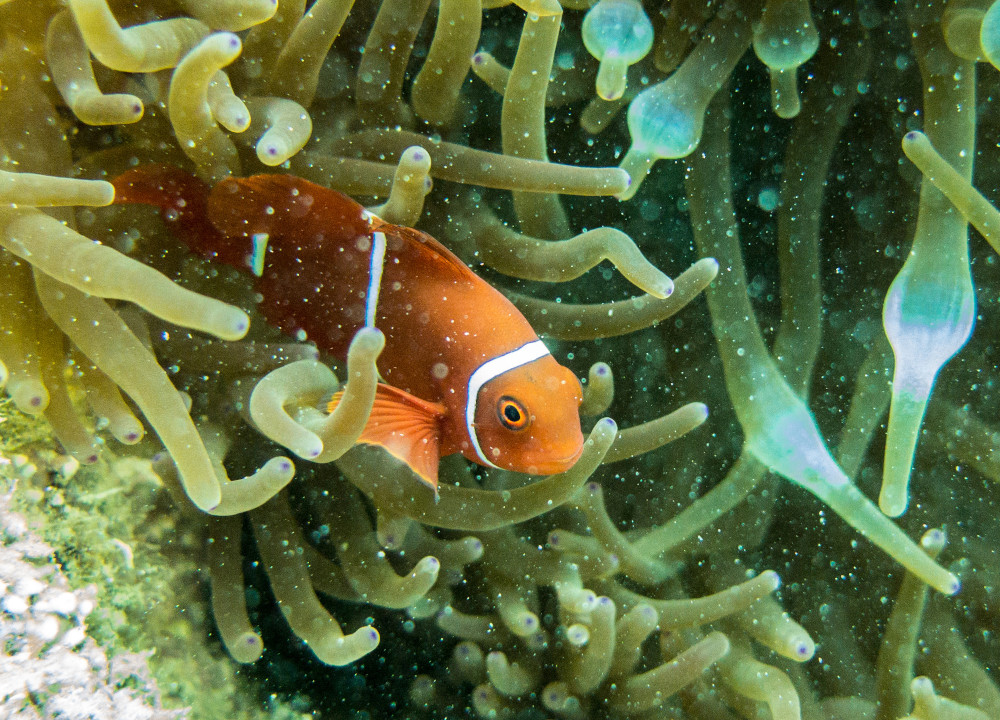
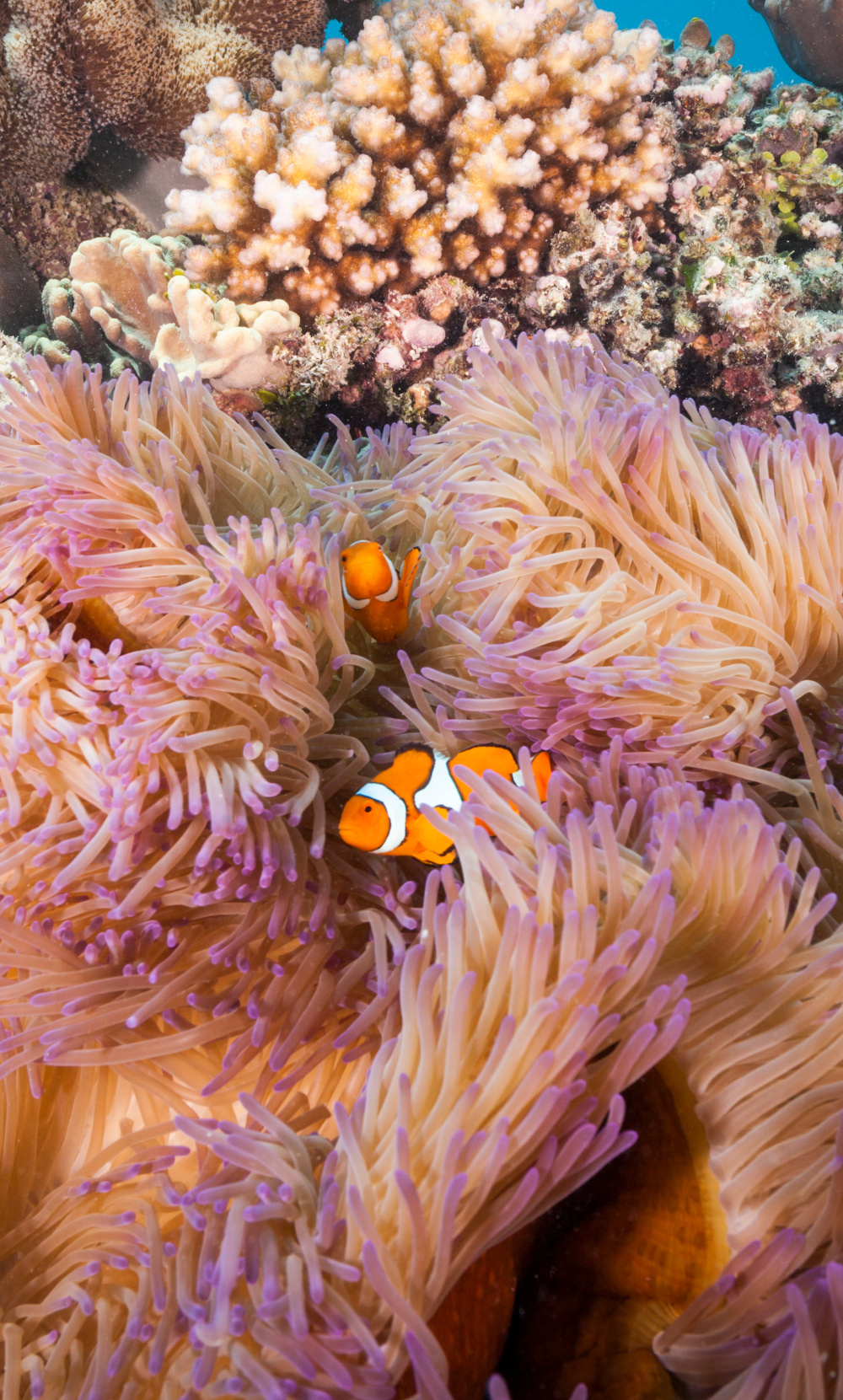
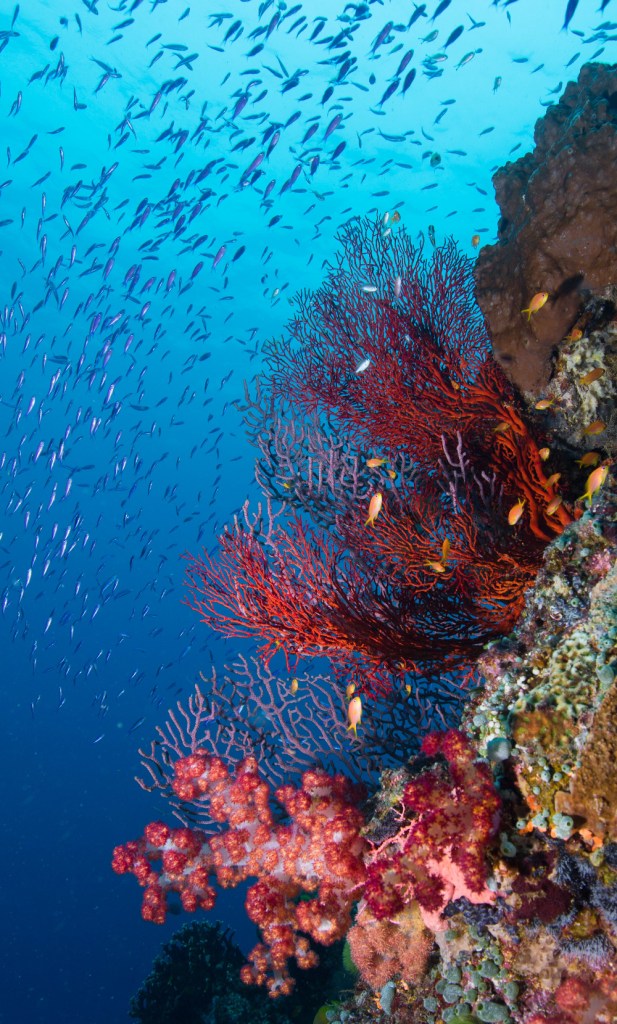
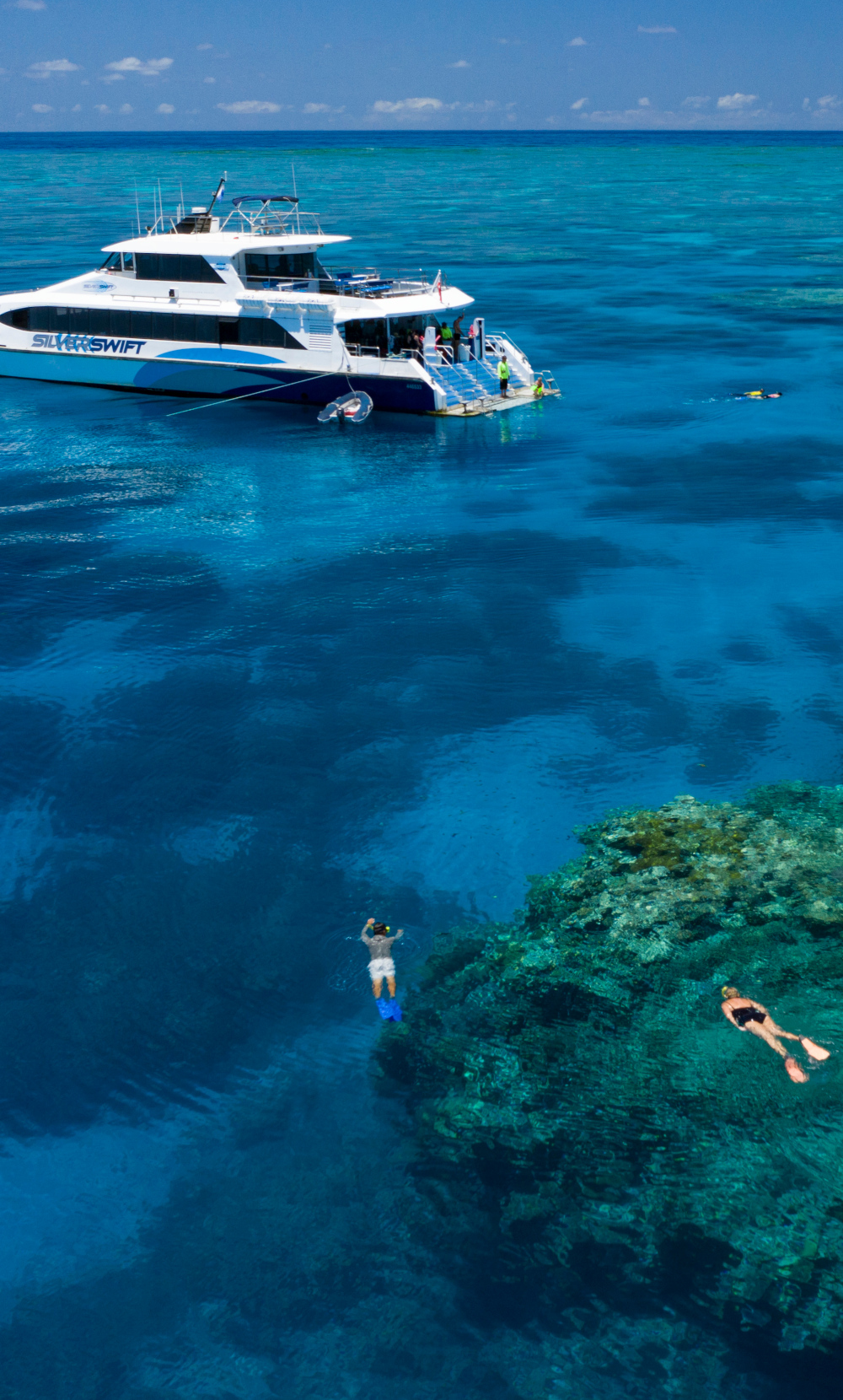
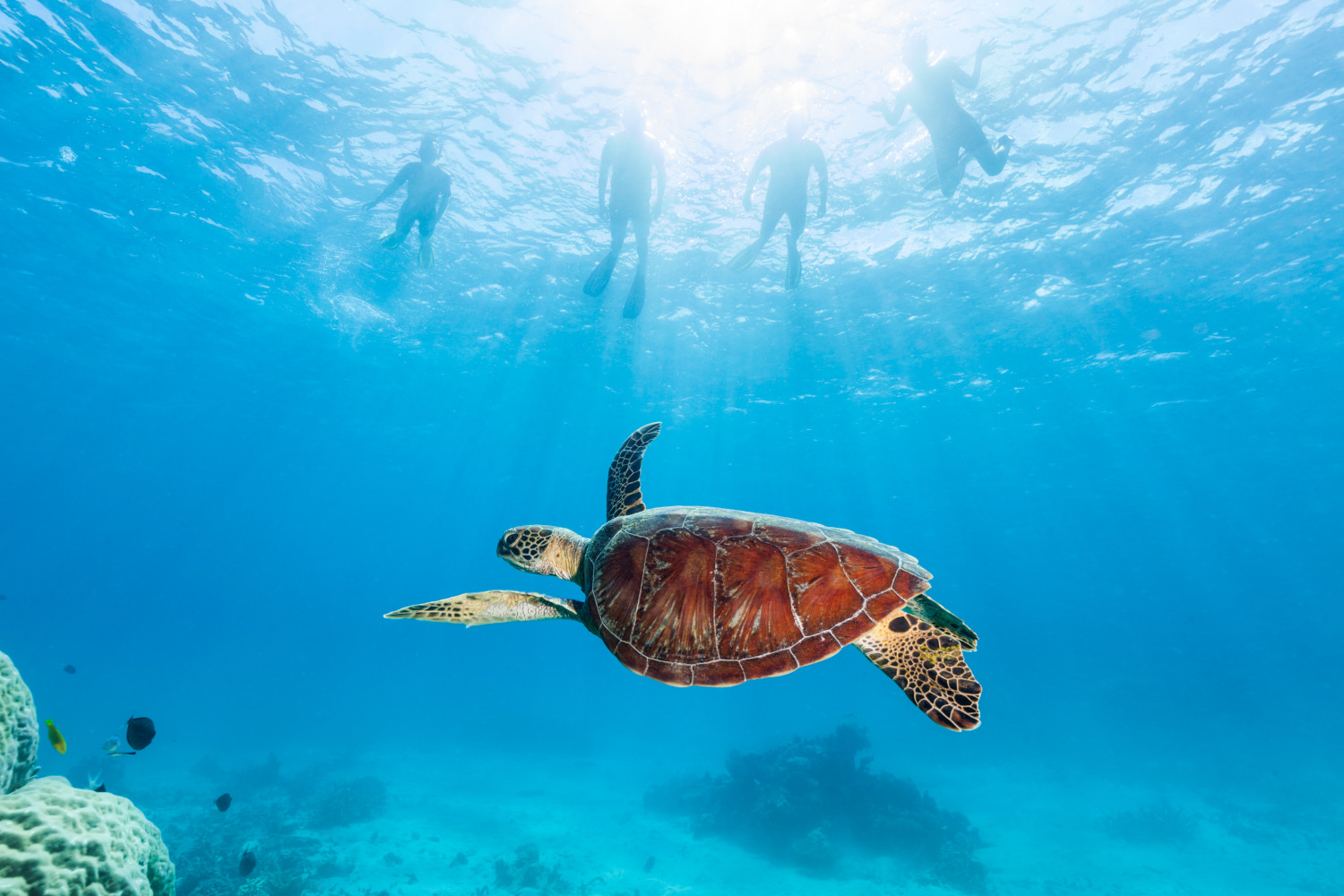
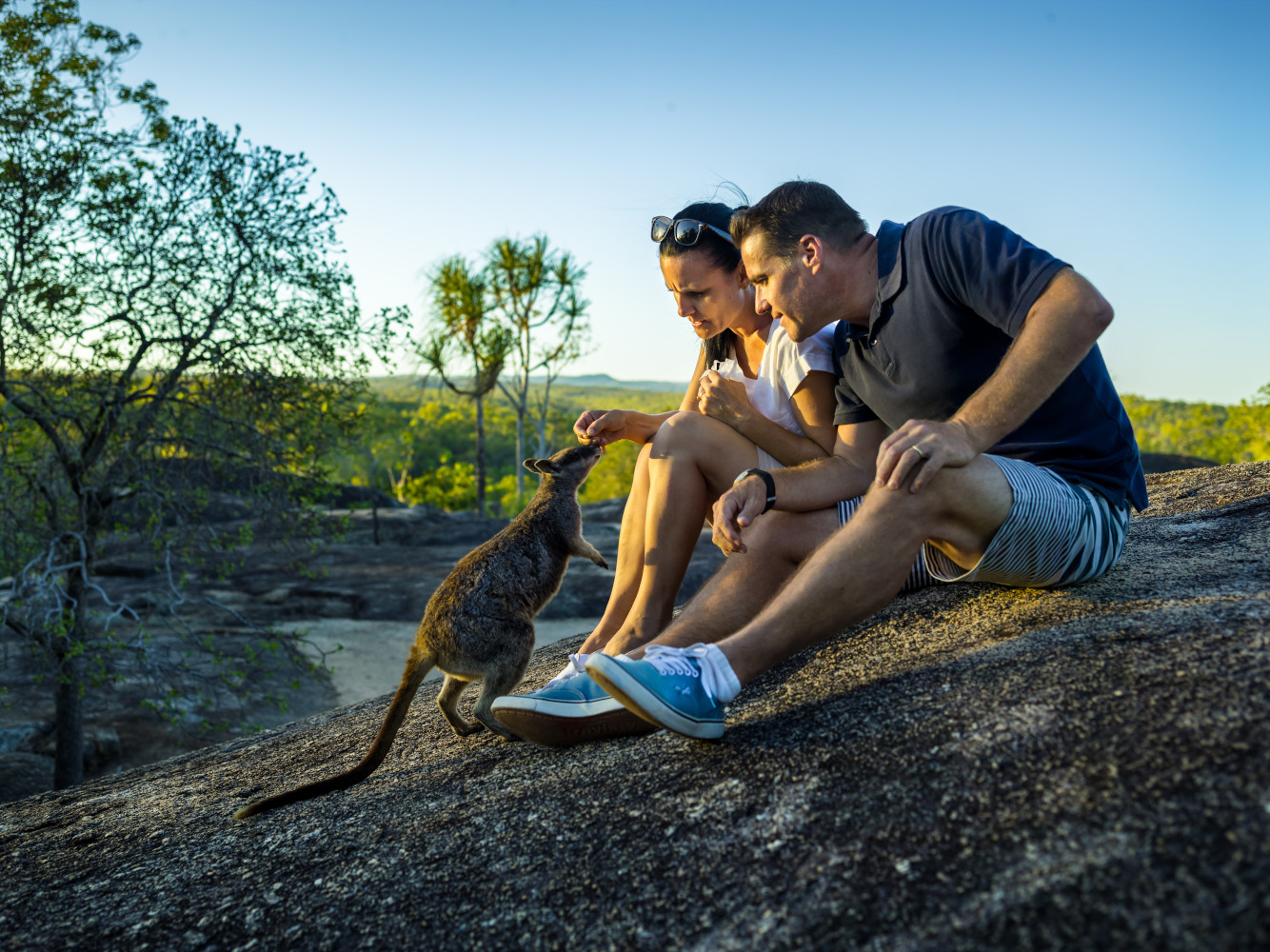
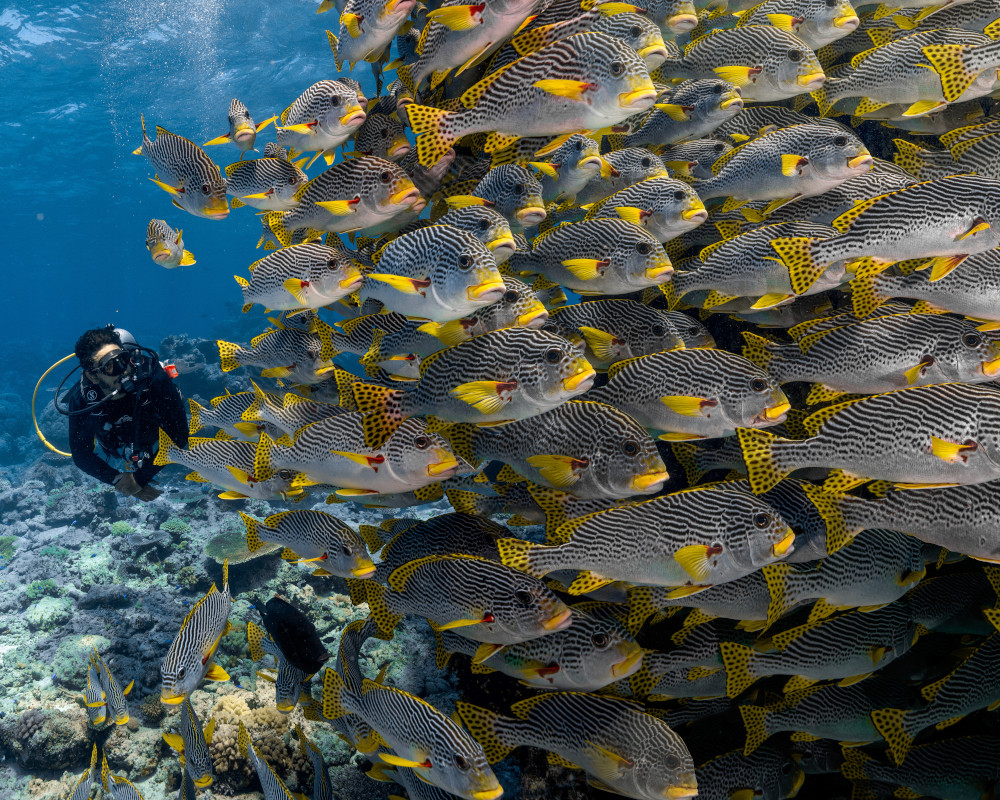
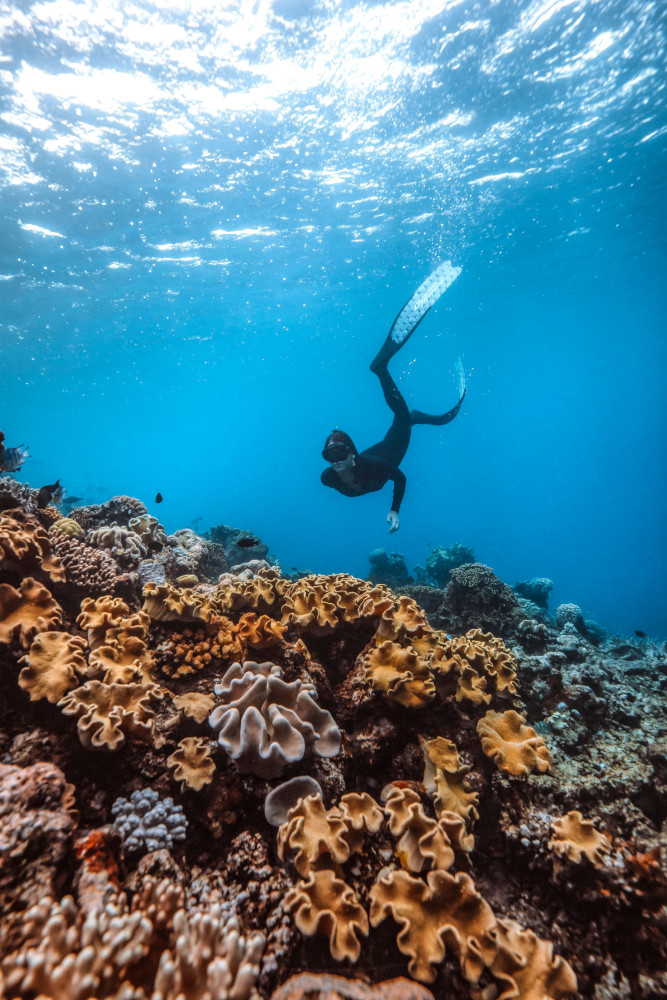
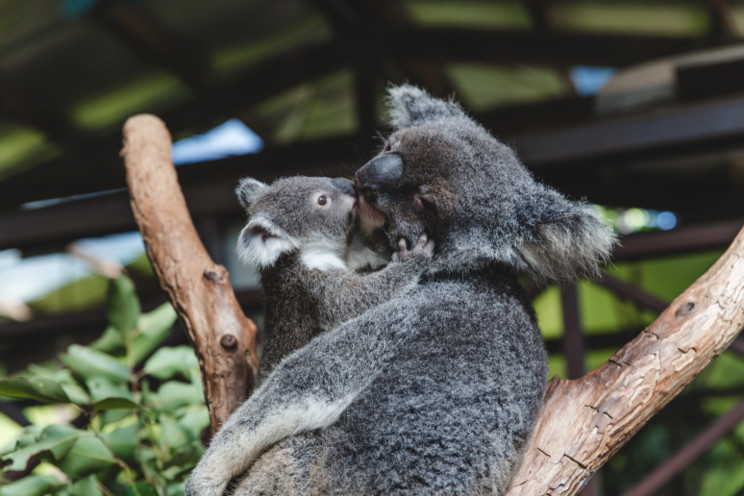
On the reef, dive with turtles, swim with whales, and spot Nemo amongst the corals. Get up close and personal with the local residents of one of the region’s wildlife parks by cuddling a koala or hand-feeding kangaroos and wallabies.
Adventure
There are numerous opportunities for thrill seekers to get the ultimate adrenaline rush while taking in the views skydiving or on the water on a high-speed jet boat, plus mountain biking and canyoning adventures.
Food and wine trails
Our region offers a smorgasbord of culinary experiences. Enjoy a food and wine experience in the highlands of the Atherton Tablelands. You will find coffee and tea plantations, dairies, tropical fruit wineries and award-winning distilleries.
Art
Discover a variety of art forms on show, from oil-on-canvas, ceramics, glassware, to sculpture and photography, at one of the many art galleries and boutiques in the region.
Sustainable Travel
Local Information
The best way to get around the city is by foot, however if you need to travel outside of the city, there are also taxis and Ubers, as well as a local bus service. Translink operators the local bus service, here’s further generic information and a link to the bus routes. Please also note the only way to purchase a ticket is with cash on the bus – tickets can’t be pre-purchased or paid for by credit card.
Far North Queensland enjoys a tropical climate, but the period from May to October is considered the dry season, heralding mild temperatures. Around the Cairns area, seawater temperatures are a comfortable 23°C (73°F), and on a sunny day you can generally stay in the water all day.
Despite milder temperatures, on clear days you can begin to burn in less than 20 minutes. To protect yourself from the sun, you should always wear a shirt, hat and sunscreen, and, where possible, stay in the shade. More information on weather here.
| Maximum | 25.9°C (78.6°F) |
| Minimum | 17.3°C (63.1°F) |
| 9 a.m. Humidity | 78% |
| 3 p.m. Humidity | 68% |
Swimming
Swimming in Far North Queensland is great at all times of the year, but you will need to take care in the water. Box jellyfish and dangerous surf pose a real threat; however, the majority of beaches are signed to indicate any dangers that may be present. Always swim on patrolled beaches and those with protective stinger nets.
Simple Guidelines to Safe Swimming:
• Surf lifesavers supervise swimmers at the beach – always follow their advice.
• Safe, supervised locations are designated by red and yellow flags.
• If unsure about your ability to handle the sea conditions, do not swim.
• Do not swim at night, dawn and dusk.
Wildlife Safety
Please visit the Tropical North Queensland website https://www.tropicalnorthqueensland.org.au/plan-your-trip/wildlife-safety/ for all information about wildlife safety including jellyfish (stingers), crocodiles and sharks.
“The best kind of holiday is a safe holiday. So while you’re enjoying your time in Tropical North Queensland, there are a few things you should keep in mind.”
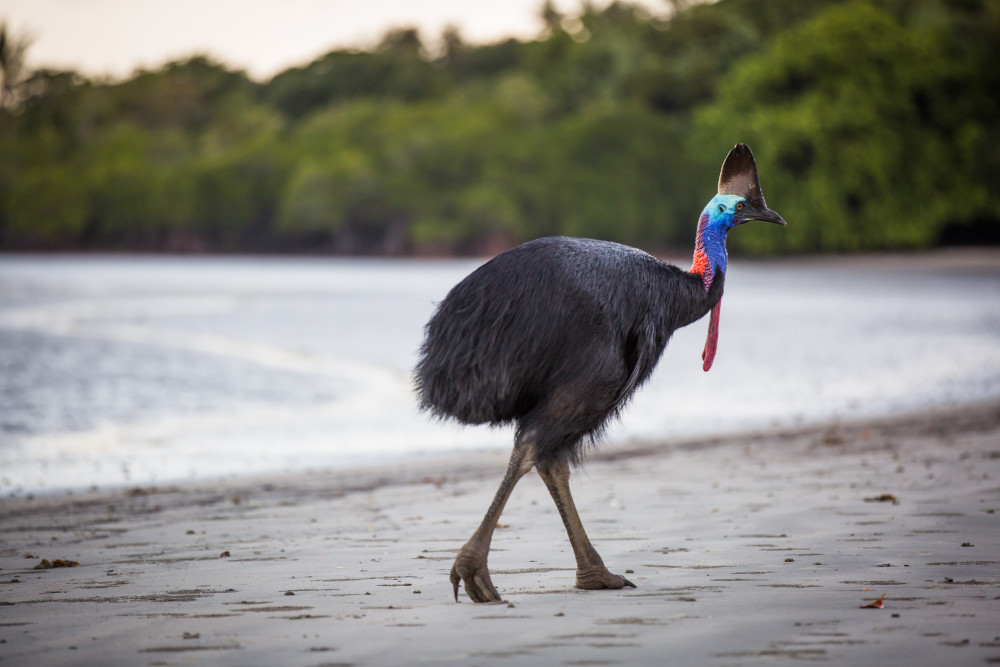
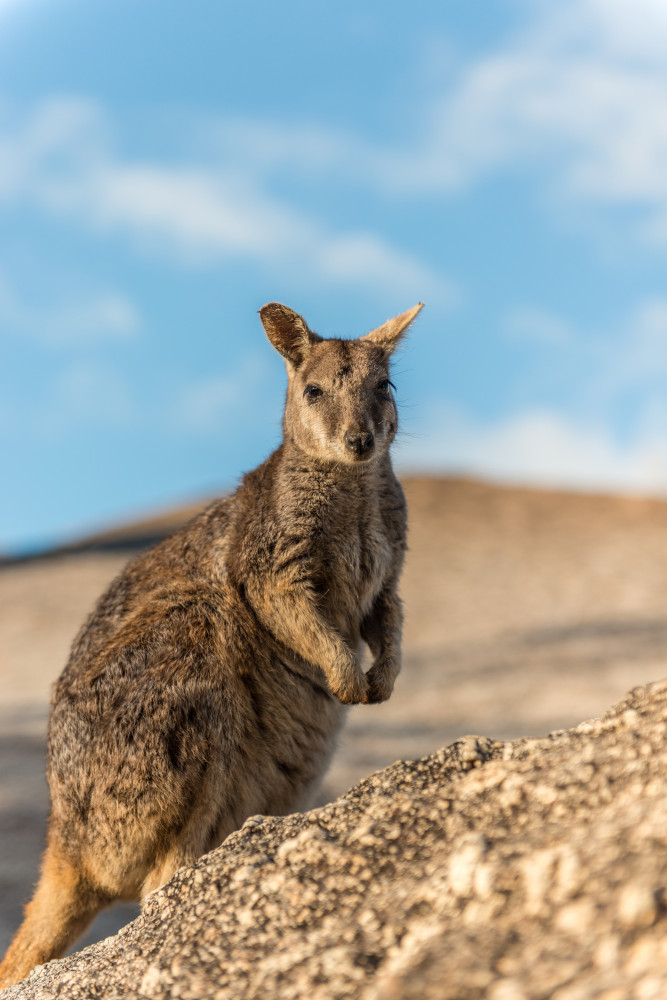
“There are thousands of unique species of wildlife to be found here, and you can spot them in the rainforest, outback or the ocean. While most of them are harmless, there are a few you should stay away from, including crocodiles, marine stingers, snakes, spiders and Cassowary. The chances of getting hurt are very low as long as you take precautions, stay away from the water’s edge in crocodile-inhabited areas, never interfere with wildlife and always remember that these are wild animals that must be treated with respect.”
BE WISE IN CROC COUNTRY
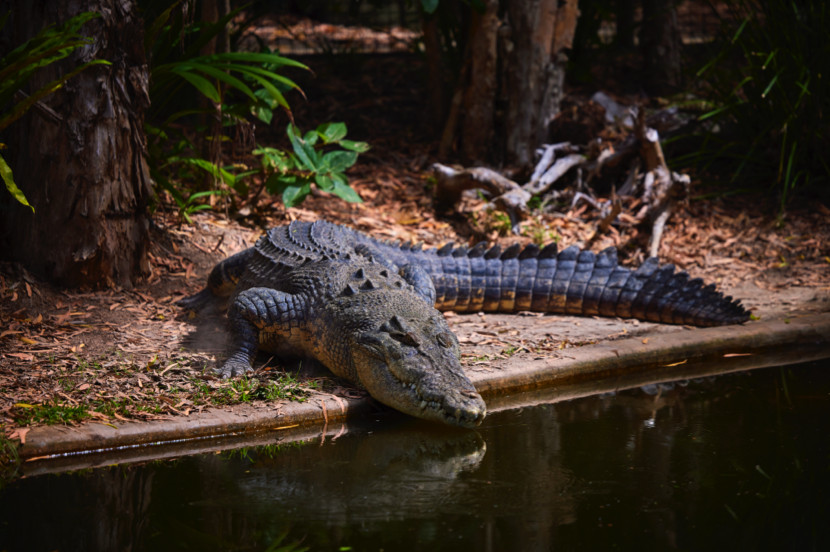
• Always obey crocodile warning signs.
• Never swim where crocodiles may be present, even if you don’t see any signs.
• Look out for crocodile slide marks on the bank and stay well away from them.
• When fishing, always stand a few metres back from the water’s edge and never clean fish or discard scraps near the water’s edge.
• Don’t dangle arms or legs out of a boat. If you fall out, get back in as quickly and calmly as possible.
• Never provoke or attack crocodiles and do not feed them or leave food out for them.
• Camp at least 50m from the edge of the water and 2m above the high-water mark. Don’t leave any food scraps at your campsite and don’t prepare food or wash dishes at the water’s edge.
STAY SAFE IN THE OCEAN
The oceans around northern Australia are home to some of the world’s most spectacular marine life. This includes marine stingers, some of which are dangerous, most famously the box jellyfish and Irukandji. These can be found around Tropical North Queensland along the coast as far south as Gladstone, from around October/November through to May/June.
Many popular beaches have stinger nets (patrolled by lifeguards) in place so you can swim safely. However, it’s recommended you wear a protective suit to help shield you from the sun and to minimise the risk of jellyfish stings.
On patrolled beaches, lifeguards conduct daily checks for jellyfish prior to putting out the flags. Always follow advice from lifeguards on duty and it’s a good idea to check with them directly if you’re unsure about anything.
If you do happen to get stung, don’t panic. Wash the site thoroughly with vinegar (you’ll find a bottle on most beaches) and pull off any remaining tentacles, ensuring your fingers and hands are protected. See the lifeguards for assistance or call Triple 000 in an emergency.
The most important advice is not to be afraid of swimming at Tropical North Queensland’s gorgeous beaches. Fatal stings are very rare and it’s easy to stay safe by following these simple precautions. Current local beach conditions can be found on the Surf Life Saving North Queensland website.
BE SHARK-SMART
Did you know that sharks can replace a lost tooth naturally in just one day? Getting up close with sharks on the Great Barrier Reef is a bucket-list activity for many divers. Species commonly seen are the white-tip reef shark, grey reef shark and the silver-tip shark (which can be up to 1.8 metres in length). The white tip has between 80 and 100 rows of teeth!
Mike Ball Dive Expeditions, have specialised in shark diving for many decades, offering passive shark attraction and shark-feeding dives in the Coral Sea Marine Park, at Osprey Reef’s ‘North Horn’ dive site. Up to 60 sharks attend their feeds, where divers can safely view the spectacular ‘feeding frenzy’ for 2-3 minutes within a distance of approximately 6-7 metres.
It is important to note sharks will not attack humans in the water by mere presence and do not recognise humans as a food source. Attacks are very rare and generally only occur when safe swimming practice recommendations are ignored, particularly relevant when sea conditions have either low light or low visibility.
The Queensland Government has suspended its Shark Control Program in the Great Barrier Reef Marine Park. Everyone can be ‘Shark Smart’ by following these safe swimming practices:
•Don’t swim at dawn or dusk
•Always swim in clear water (not in murky water, busy anchorages, estuary mouths or canals)
•Don’t throw food scraps or fish waste overboard (including in anchorages or where people are swimming)
•Don’t swim where fish are being cleaned
•Swim, surf, snorkel or dive with a buddy
•Follow local signage and swim between the flags at patrolled beaches.
Indico
 QCHSC 2024